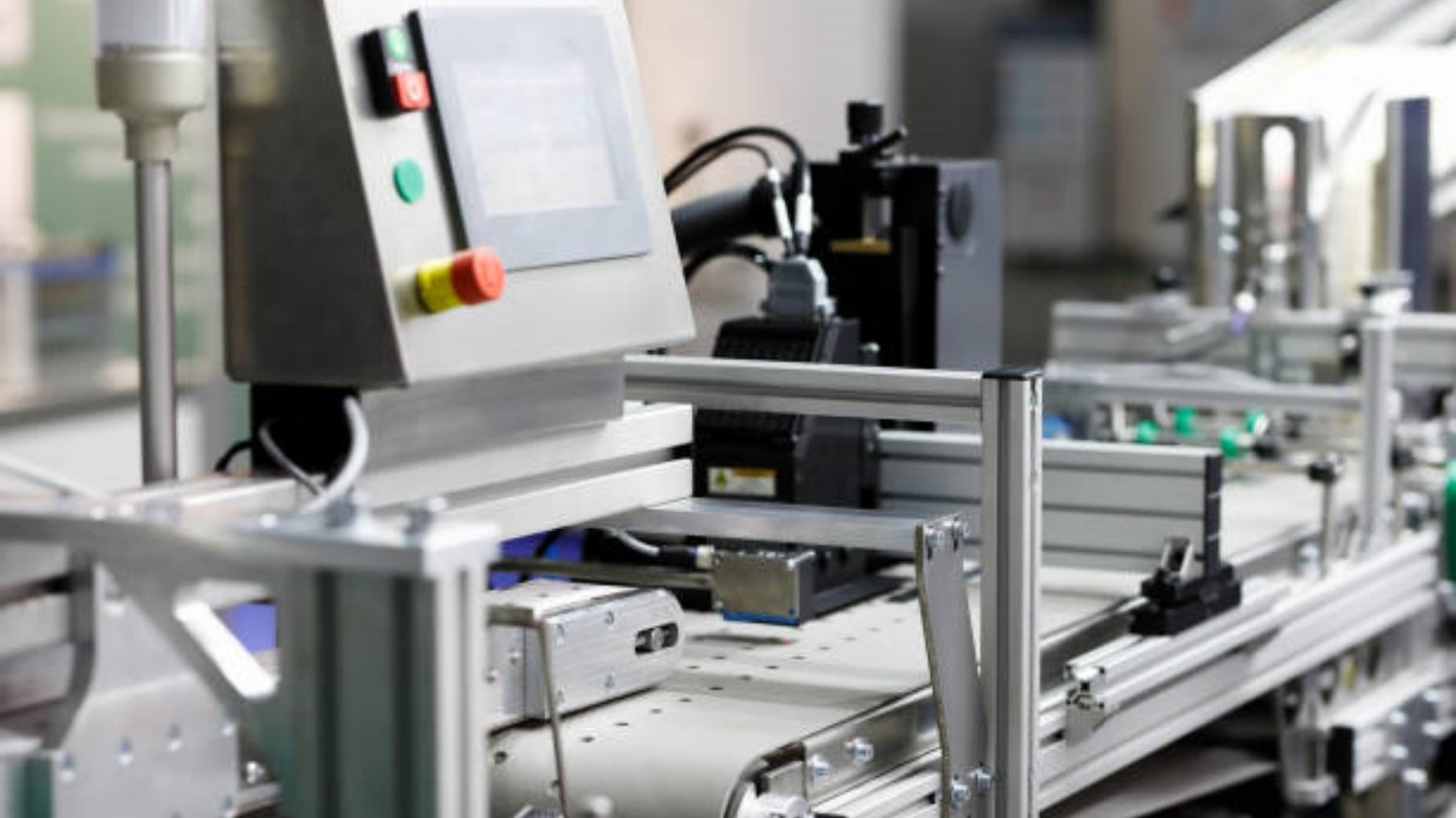
An automatic surface grinder is a precision grinding tool used to produce smooth, flat surfaces with high accuracy. This machine automates the surface grinding process by controlling the movement of the grinding wheel and workpiece, significantly improving efficiency and consistency. Automatic surface grinders are widely used in metalworking industries, where precision and repeatability are critical.
Key Components of an Automatic Surface Grinder
The core components of an automatic surface grinder include the grinding wheel, worktable, magnetic chuck, control unit, and coolant system. The grinding wheel performs the cutting action, while the magnetic chuck securely holds the workpiece. The control unit enables programmable automatic operations, ensuring precise movement in both longitudinal and cross directions. Coolant enhances the grinding process by reducing heat and friction.
Advantages of Using an Automatic Surface Grinder
One of the primary advantages of an automatic surface grinder is improved productivity due to automation. It reduces manual labor and operator intervention, minimizing human error. The machine delivers consistent surface finish quality and tight tolerances, essential for components in aerospace, automotive, and tooling industries. Automatic surface grinders also reduce cycle times and increase throughput.
Types of Automatic Surface Grinders
Automatic surface grinders are available in several types, including horizontal spindle, vertical spindle, and rotary surface grinders. Horizontal spindle grinders are common for flat grinding, while vertical spindle machines are suited for more intricate surface finishes. Some models include CNC control systems, enabling even greater precision and flexibility in complex machining tasks.
Applications in Manufacturing and Toolmaking
Automatic surface grinders play a vital role in manufacturing processes where surface precision is paramount. They are extensively used in the production of die and mold making, automotive engine components, and precision toolmaking. These grinders ensure critical dimensions and smooth finishes on metal, ceramic, and composite materials, boosting product reliability and performance.
How Automation Enhances Surface Grinding Accuracy
The automation in surface grinders involves computer-controlled positioning and feed rates, which drastically improve accuracy. Programmable controls allow for precise depth adjustments and repetitive grinding cycles without deviation. This precision is important for achieving mirror-like surface finishes and maintaining tight dimensional tolerances over high-volume production runs.
Maintenance and Longevity of Automatic Surface Grinders
Regular maintenance of automatic surface grinders is crucial to ensure consistent performance and machine longevity. This includes periodic inspection of grinding wheels, lubrication of moving parts, and calibration of control systems. Proper maintenance reduces downtime and prevents costly repairs, making automatic surface grinders a durable investment in any precision machining facility.
Integration with Advanced Manufacturing Systems
Modern automatic surface grinders can be integrated into advanced manufacturing ecosystems, including IoT-enabled smart factories. Connectivity allows real-time monitoring of grinding parameters, predictive maintenance, and quality control. Integration enhances operational efficiency and supports Industry 4.0 initiatives by linking grinding operations with overall production workflows.
Cost Considerations and ROI of Automatic Surface Grinders
While automatic surface grinders come with a higher initial investment compared to manual machines, their enhanced productivity and accuracy often result in a favorable return on investment. Reduced labor costs, minimized scrap rates, and improved product quality contribute to overall cost savings. Careful selection based on production needs can optimize both capital expenditure and operational efficiency.
Future Trends in Automatic Surface Grinder Technology
The future of automatic surface grinders includes advancements such as AI-driven process optimization, adaptive grinding wheels, and more sophisticated CNC controls. These innovations aim to further improve precision, reduce cycle times, and enable grinding of more complex geometries. Sustainable features like energy-efficient drives and smart coolant management are also becoming standard to meet environmental regulations.
Quote Inquiry
contact us