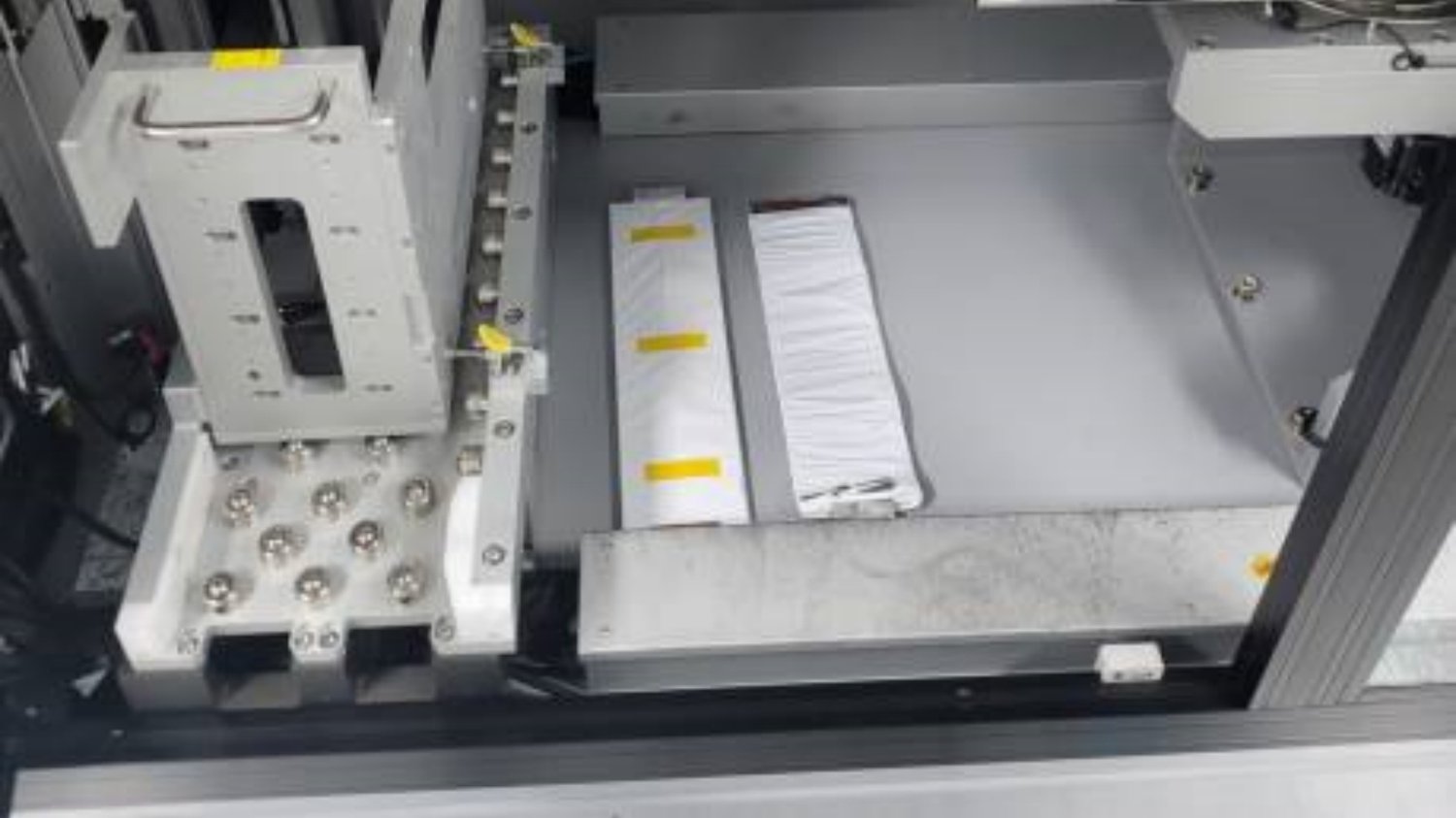
High precision grinding is a manufacturing process that utilizes advanced grinding techniques to produce components with extremely tight tolerances and superior surface finishes. This machining method is crucial in industries where accuracy and detail are paramount, such as aerospace, automotive, and medical device manufacturing. By removing minimal material with high control, high precision grinding ensures component reliability and performance.
The Role of High Precision Grinding in Modern Manufacturing
As manufacturing demands become more exacting, high precision grinding plays a vital role in meeting stringent quality standards. Its ability to create complex shapes and fine finishes on hard materials surpasses many traditional machining methods. This capability enables manufacturers to produce intricate parts without compromising on dimensional consistency, thereby enhancing overall product quality.
Types of High Precision Grinding Techniques
There are several specialized high precision grinding techniques tailored to diverse applications. These include cylindrical grinding, surface grinding, centerless grinding, and creep feed grinding. Each technique offers unique advantages for achieving fine tolerances and smooth surfaces, depending on the workpiece geometry and material properties. Understanding these methods helps optimize production efficiency and component performance.
Materials Suitable for High Precision Grinding
High precision grinding is compatible with a wide array of materials, including hardened steels, ceramics, carbides, and superalloys. These materials often require grinding because traditional cutting methods are ineffective or produce poor surface quality. The process’s versatility in handling tough and brittle materials makes it indispensable in high-performance component manufacturing.
Importance of Machine Tools in High Precision Grinding
The effectiveness of high precision grinding largely depends on the quality and capabilities of the grinding machines. Modern CNC grinding machines equipped with computer control and advanced feedback systems offer exceptional repeatability and accuracy. The stability, rigidity, and precision of these machines directly impact the achievable tolerances and surface finishes during high precision grinding.
Grinding Wheels and Their Impact on Precision
Choosing the right grinding wheel is critical to high precision grinding operations. Wheel composition, grit size, bonding material, and wheel structure influence grinding efficiency and surface integrity. Innovations such as vitrified and resin-bonded wheels optimize performance for different materials and grinding conditions, ensuring precise removal rates and minimal defects.
Technological Advances Enhancing High Precision Grinding
Technological advancements, including in-process monitoring, adaptive control systems, and high-speed spindles, have significantly enhanced high precision grinding. These innovations enable real-time adjustments during grinding to maintain optimal conditions, reduce cycle times, and improve accuracy. Automation and integration with Industry 4.0 further promote consistent quality and operational efficiency.
Challenges and Solutions in High Precision Grinding
Despite its benefits, high precision grinding presents challenges such as thermal damage, wheel wear, and vibration. Uncontrolled heat can lead to dimensional instability or microcracks in the workpiece. Employing effective coolant systems, optimized grinding parameters, and advanced machine tool designs helps mitigate these issues and maintain high-quality outcomes.
Applications of High Precision Grinding Across Industries
High precision grinding finds critical applications in industries requiring premium quality, including aerospace turbine components, medical implants, precision gears, and optical lenses. Its ability to achieve micro-level accuracy and superior surface finishes ensures that critical parts perform reliably under demanding conditions, directly impacting product safety and efficiency.
Future Trends in High Precision Grinding
Looking ahead, the future of high precision grinding is shaped by advancements in materials science, AI-driven process optimization, and novel abrasive technologies. Development of eco-friendly grinding methods and hybrid machining processes combining grinding with additive or laser technologies promise further improvements in precision, speed, and sustainability in manufacturing.
Quote Inquiry
contact us