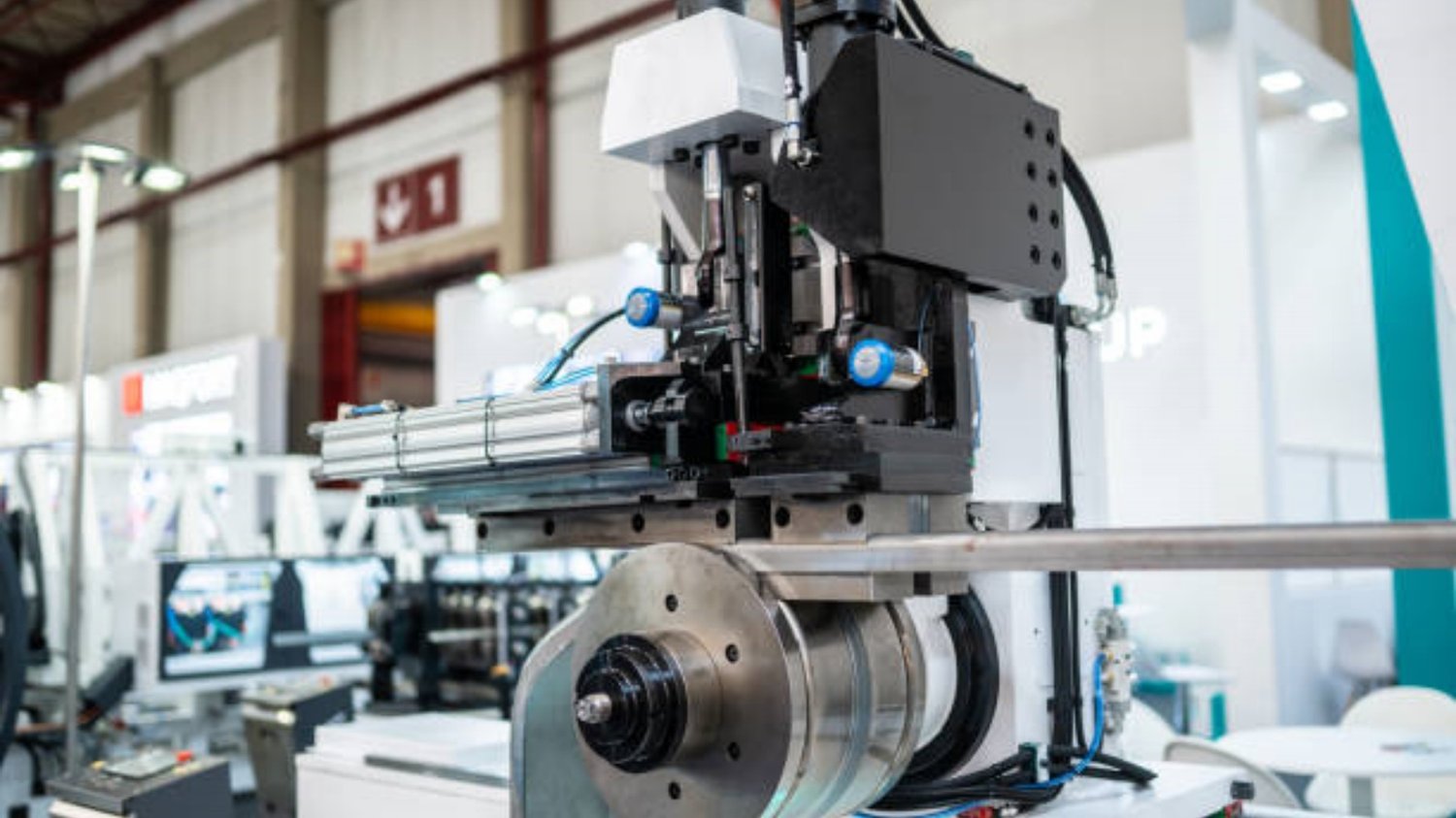
A grinding machine tool is a precision device used to remove material from a workpiece through abrasive cutting. Unlike traditional cutting tools, it relies on a rotating abrasive wheel to achieve high accuracy and superior surface finish. Grinding machines are indispensable in manufacturing industries where dimensional accuracy and surface smoothness are critical.
Components and Working Principle of Grinding Machine Tool
The grinding machine tool consists mainly of an abrasive wheel, worktable, spindle, and various drives. The abrasive wheel rotates at high speed to grind the workpiece held on the worktable or clamped in fixtures. The working principle involves frictional contact between the abrasive grains on the wheel and the workpiece surface, removing small chips and achieving the desired shape and finish.
Types of Grinding Machine Tool: A Comprehensive Overview
Grinding machine tools are available in multiple types, including surface grinders, cylindrical grinders, centerless grinders, and internal grinders. Each type serves specific functions; for example, surface grinders focus on flat surfaces, while cylindrical grinders machine rotational parts. Choosing the right type is essential for efficient and precise machining.
Applications Across Diverse Industries
Grinding machine tools find extensive applications in automotive, aerospace, tool manufacturing, and metal fabrication industries. They are instrumental in producing components like engine parts, bearings, cutting tools, and molds where high precision and surface quality are mandatory. The versatility of grinding machines makes them indispensable in modern manufacturing.
Material Considerations for Grinding Machine Tool Operations
Different materials require specific grinding wheels and parameters. Hard materials like carbide and hardened steel need diamond or CBN (cubic boron nitride) wheels, while softer metals can be ground with conventional aluminum oxide wheels. Understanding material compatibility enhances grinding efficiency and prolongs tool life.
Advancements in Grinding Machine Tool Technology
Recent advancements include CNC (computer numerical control) grinding machine tools, which allow automated, high-precision machining with minimal operator intervention. Innovations in abrasive wheel materials and cooling techniques also improve grinding speeds, reduce thermal damage, and extend tool longevity. These technological strides boost productivity and quality.
Importance of Maintenance for Grinding Machine Tool Longevity
Regular maintenance is vital for grinding machine tools to ensure accuracy and operational safety. Key practices include wheel dressing, spindle lubrication, coolant system upkeep, and alignment checks. A well-maintained grinding machine tool reduces downtime, minimizes errors, and ensures consistent machining quality.
Grinding Machine Tool Safety and Operator Training
Operating a grinding machine tool involves potential hazards such as abrasive wheel breakage, flying debris, and noise exposure. Proper safety measures like using guards, wearing protective gear, and thorough operator training are essential to minimize risks. Awareness and adherence to safety protocols protect workers and equipment.
Cost Factors and Economic Impact of Grinding Machine Tools
The initial investment and operating costs for grinding machine tools vary depending on machine complexity, automation level, and application. While grinders can be expensive, their contribution to precision manufacturing often justifies the cost. Efficient grinding operations reduce material wastage and rework, leading to overall economic benefits.
Future Trends in Grinding Machine Tool Industry
The future of grinding machine tools is shaped by increased automation, integration with IoT (Internet of Things), and the use of AI for predictive maintenance. Smart grinding machines will enhance precision, reduce human intervention, and offer real-time diagnostics. Sustainable practices focusing on energy efficiency and eco-friendly abrasives are also gaining prominence in the industry.
Quote Inquiry
contact us