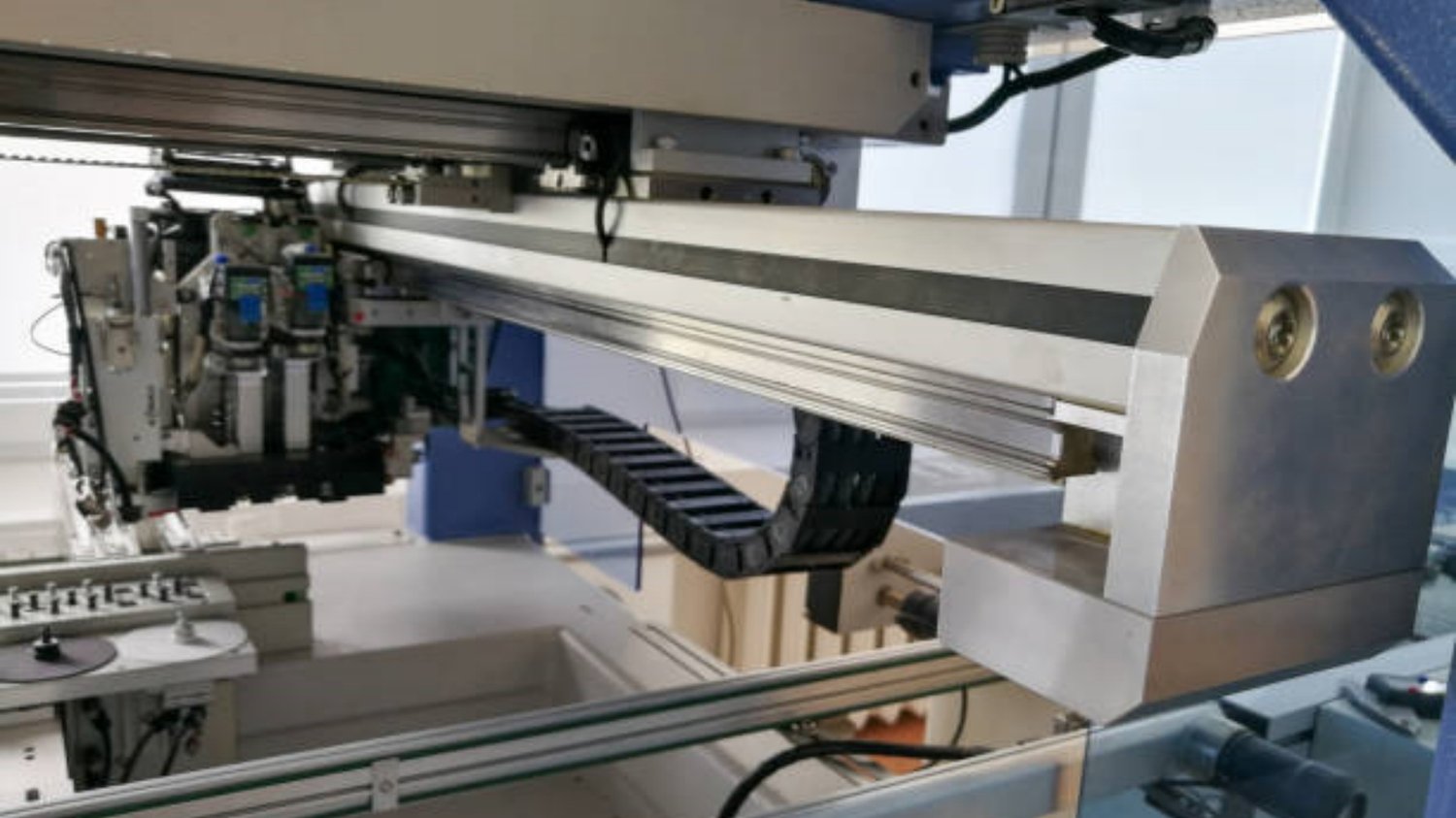
Metal surface grinding is a critical finishing process in manufacturing and fabrication that ensures precision, smoothness, and dimensional accuracy of metal components. This process involves the removal of metal material through abrasive action to achieve a flat, uniform surface. It is commonly used across industries like automotive, aerospace, and tooling, where exact surface specifications impact part performance and longevity.
The Fundamentals of Grinding Techniques
Surface grinding involves various techniques such as creep-feed grinding, plunge grinding, and rotary surface grinding. Each method utilizes a grinding wheel rotating at high speeds to abrade the metal surface. The choice of technique depends on the material’s hardness, desired finish, and tolerances required, making metal surface grinding a versatile process suitable for an array of metals including steel, aluminum, and titanium.
Types of Grinding Wheels for Metal Surface Grinding
The grinding wheel is a vital element in metal surface grinding, consisting of abrasive grains bonded together. Common wheel materials include aluminum oxide, silicon carbide, and diamond. Selecting the appropriate grinding wheel is essential for efficiency and surface quality, as hardness, grain size, and bond type impact the grinding performance on different metal surfaces.
Enhancing Surface Finish Quality
One of the primary goals of metal surface grinding is to improve surface finish quality by removing irregularities such as burrs, scratches, or scale from metal parts. Achieving a smooth and flat surface enhances the functional and aesthetic properties of the component, while also reducing friction and wear during subsequent operation.
Precision and Dimensional Accuracy in Metal Surface Grinding
Surface grinding excels in delivering unmatched precision with tight tolerances down to microns. This is essential in applications where metal components require exact thickness, flatness, and parallelism to fit and function properly in assemblies, making metal surface grinding indispensable in precision engineering.
Applications Across Diverse Industries
Metal surface grinding finds broad application from automotive engine parts and aerospace components to mold and die manufacturing. Its ability to shape and refine metal surfaces with high precision supports manufacturing excellence in industries where safety, performance, and reliability are paramount.
Automation and Modern Advancements
Technological advancement has transformed metal surface grinding through automation and computer numerical control (CNC). CNC grinding machines provide consistent precision and reduce human error, increase productivity, and allow complex shapes and surfaces to be ground with high repeatability.
Environmental and Safety Considerations
Metal surface grinding generates metal dust and sparks, which require appropriate safety measures such as proper ventilation, protective gear, and wheel guards. Additionally, newer grinding processes aim to reduce abrasive waste and energy consumption, reflecting growing environmental and workplace safety awareness.
Common Challenges and Troubleshooting
Challenges in metal surface grinding include wheel wear, thermal damage (burning), and surface defects like chatter marks. Addressing these issues involves optimizing wheel speed, feed rate, coolant application, and using the best wheel type. Understanding these factors is key for maintaining consistent grinding quality.
Future Trends in Metal Surface Grinding
Emerging trends in metal surface grinding focus on hybrid processes integrating grinding with additive manufacturing, advanced material sciences creating tougher abrasives, and AI-driven systems for real-time monitoring and adaptive control. These developments promise to enhance efficiency, precision, and sustainability in metal surface grinding operations.
Quote Inquiry
contact us