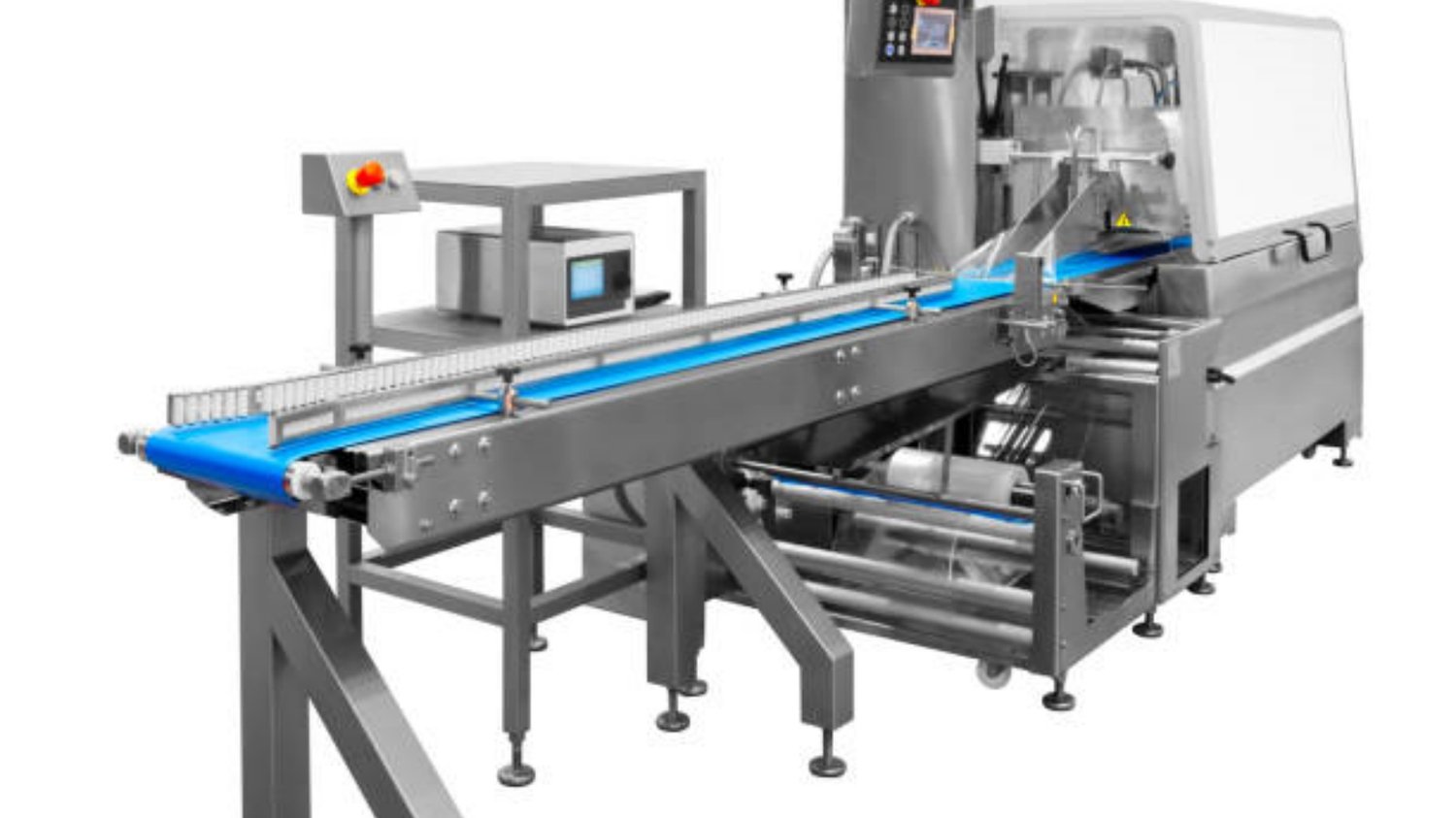
The surface grinding process is a precise machining technique employed to produce smooth and flat surfaces on workpieces. Using an abrasive grinding wheel as the cutting tool, this process removes material to achieve high dimensional accuracy and improved surface finish. Surface grinders are widely used in manufacturing to refine components made from metals, plastics, and other materials.
Types of Surface Grinding Machines
Various types of surface grinding machines are utilized depending on application needs. The most common categories include horizontal spindle surface grinders, vertical spindle surface grinders, and disc grinders. Each machine type offers specific advantages for handling different workpiece sizes and shapes, ensuring versatility in the surface grinding process.
Components Involved in the Surface Grinding Process
Key components vital to the surface grinding process include the grinding wheel, workpiece table, and the magnetic chuck or other holding fixtures. The grinding wheel's abrasive materials determine the grinding efficiency and finish quality. Proper selection and maintenance of these components significantly impact the success of the surface grinding process.
Step-by-Step Guide to Performing the Surface Grinding Process
The surface grinding process starts with securing the workpiece on the magnetic chuck, followed by setting the grinding wheel speed and feed rate. Gradual and controlled passes of the wheel across the surface ensure consistent material removal. Monitoring temperature and wheel wear during the process prevents damage and achieves the desired surface finish.
Surface Grinding Process Parameters and Their Impact
Parameters such as wheel speed, feed rate, depth of cut, and coolant application critically influence the surface grinding process. Optimizing these variables enhances grinding efficiency, reduces thermal damage, and improves dimensional precision. Understanding the interplay of these parameters is essential for process control and achieving quality results.
Common Materials Processed by Surface Grinding
The surface grinding process is suitable for a broad spectrum of materials including hardened steels, cast iron, non-ferrous metals, and ceramics. Hard metals benefit from surface grinding as the process can achieve tight tolerances and fine finishes needed for components like dies and molds. Each material requires tailored grinding techniques for optimal outcomes.
Surface Finish and Tolerance Achievable in Surface Grinding Process
One of the surface grinding process’s major strengths is its ability to produce finishes as smooth as Ra 0.1 micrometers and achieve tolerances within microns. This makes it indispensable in industries demanding precise flatness and parallelism, such as aerospace, automotive, and toolmaking. Proper wheel selection and process control are key to superior surface finish.
Advantages of the Surface Grinding Process in Manufacturing
Surface grinding offers multiple advantages including high accuracy, repeatability, and the capability to handle complex geometries. It also extends the service life of parts by improving surface hardness through heat treatment compatibility. Additionally, it prepares surfaces for subsequent finishing processes like plating or painting by ensuring cleanliness and flatness.
Challenges and Limitations in the Surface Grinding Process
Despite its benefits, the surface grinding process has limitations such as potential thermal damage caused by frictional heat, wheel wear, and the requirement for skilled operators. Additionally, irregular or very large parts may be difficult to process efficiently. Advances in coolant systems and automated control are helping mitigate many of these challenges.
Future Trends in Surface Grinding Process Technology
Innovations such as CNC surface grinding machines, advanced abrasive materials, and integrated monitoring systems are transforming the surface grinding process. These developments improve precision, reduce cycle times, and enhance automation. Additionally, eco-friendly coolant solutions and energy-efficient grinders are gaining prominence to meet modern manufacturing sustainability goals.
Quote Inquiry
contact us