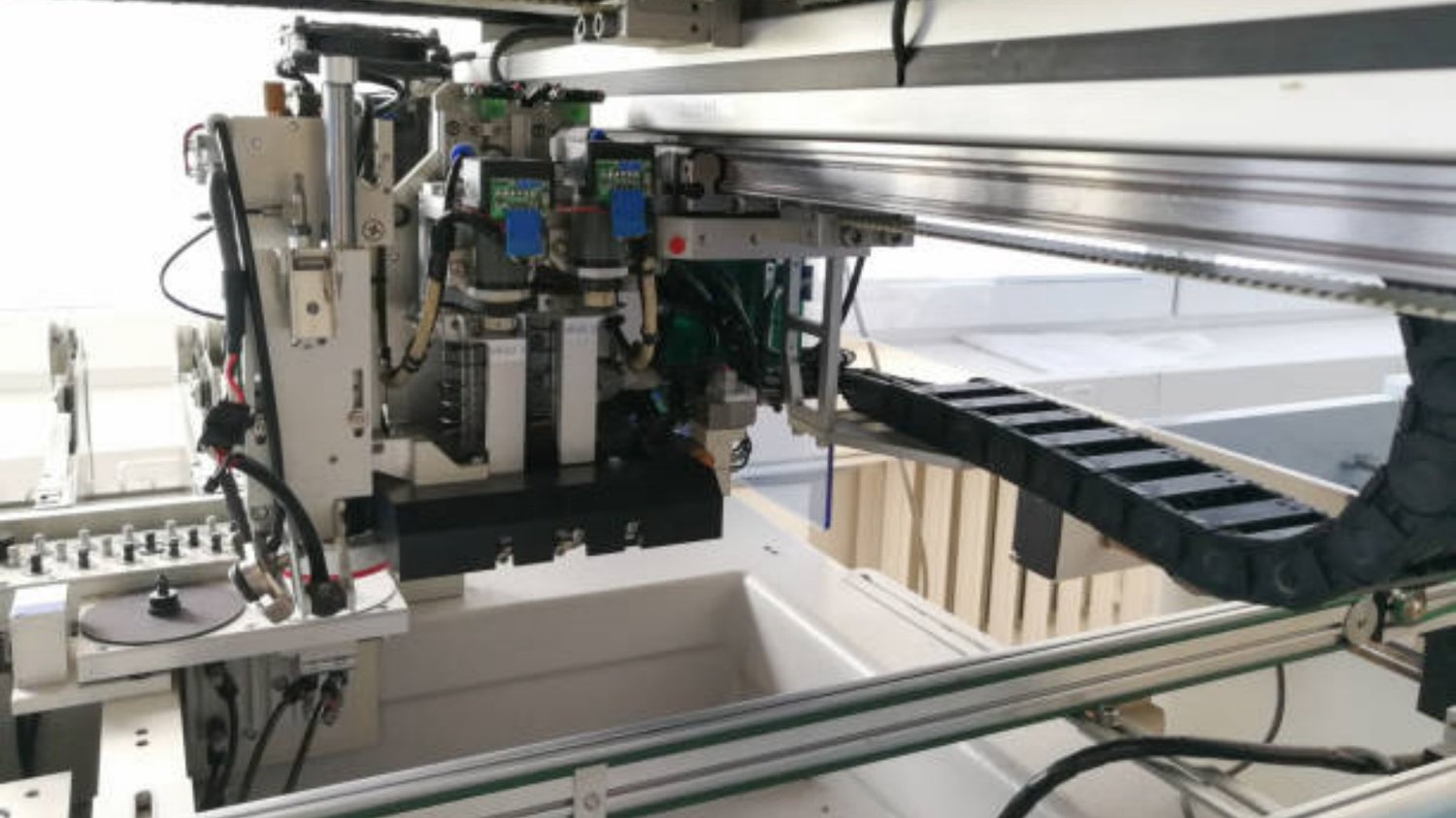
Surface grinding machines are precision tools used to create smooth, flat surfaces on metal or non-metal materials. They operate by removing small amounts of material from the workpiece through an abrasive grinding wheel, which rotates at high speed. This process is essential in manufacturing industries to ensure that parts meet exact dimensional tolerances and achieve desired surface finishes.
Core Components of Surface Grinding Machines
A surface grinding machine typically comprises a grinding wheel, a worktable, a magnetic chuck, and a base. The grinding wheel performs the cutting, while the worktable moves the workpiece beneath the wheel. The magnetic chuck helps to firmly hold ferromagnetic materials in place, enabling precise grinding. Modern machines may also incorporate digital controls for enhanced accuracy.
Types of Surface Grinding Machines
Surface grinding machines are broadly categorized as horizontal spindle, vertical spindle, and disc grinders. Horizontal spindle grinders are commonly used for flat and cylindrical surfaces, while vertical spindle grinders excel in precision grinding of small components. Disc grinders use a large abrasive disc and are effective in removing material on a larger scale.
Working Principle of Surface Grinding Machines
The surface grinding machine works on the principle of abrasive cutting, where the grinding wheel rotates at high speeds and acts like a multipoint cutting tool. As the workpiece moves underneath, material is gradually removed to produce a smooth, flat surface. Coolants are often used to reduce heat buildup and prevent damage to the workpiece.
Applications of Surface Grinding Machines
Surface grinding machines find extensive application in automotive, aerospace, tool and die, and manufacturing industries. They are used for creating flat surfaces on engine components, molds, blades, and bearing parts. Precision surface grinding ensures parts fit perfectly, improving performance and longevity.
Advantages of Using Surface Grinding Machines
Surface grinding machines deliver superior surface finish and tight tolerances that are otherwise difficult to achieve. Their versatility allows machining a variety of materials including steel, cast iron, and non-ferrous metals. The process improves the dimensional conformity and surface integrity of components, essential for high-performance applications.
Maintenance and Safety Considerations
Proper maintenance of surface grinding machines involves regular wheel dressing, lubrication, and inspection of moving parts to ensure consistent performance. Operators must use safety gear such as goggles and gloves due to the generation of sparks and metal particles. Adhering to machine manuals and safety protocols reduces downtime and risk of accidents.
Technological Advancements in Surface Grinding Machines
Recent advancements have introduced CNC (Computer Numerical Control) surface grinding machines, offering automated, high-precision grinding. These machines combine traditional grinding with computer control, enabling complex shapes and repeatable accuracy. In addition, smart sensors now monitor wheel wear and vibration for predictive maintenance.
Selecting the Right Surface Grinding Machine
Choosing the appropriate surface grinding machine depends on factors like workpiece size, material type, surface finish requirements, and production volume. Horizontal spindle machines suit larger, flatter components, while vertical spindle grinders are ideal for smaller, complex parts. Evaluating machine power, table size, and wheel specifications is crucial for optimal results.
Future Trends in Surface Grinding Machine Technology
Future trends in surface grinding machines focus on enhancing automation, energy efficiency, and integration with Industry 4.0 technologies. Artificial intelligence-driven systems are expected to optimize grinding parameters in real-time, reducing waste and improving productivity. Additionally, eco-friendly coolant alternatives and quieter, vibration-reducing designs are gaining popularity for sustainable manufacturing.
Quote Inquiry
contact us